
Be ready when flooding happens
Safety tips and resources to help protect your home, vehicle, and finances from floods.
The real risks of rising water and floods
Flooding can happen almost anywhere, even outside high-risk flood zones. Heavy rain, overflowing waterways, storm drains, snowmelt, and other conditions can quickly put homes and vehicles at risk.
Knowing what to do before, during and after a flood can help keep you safe and reduce damage.
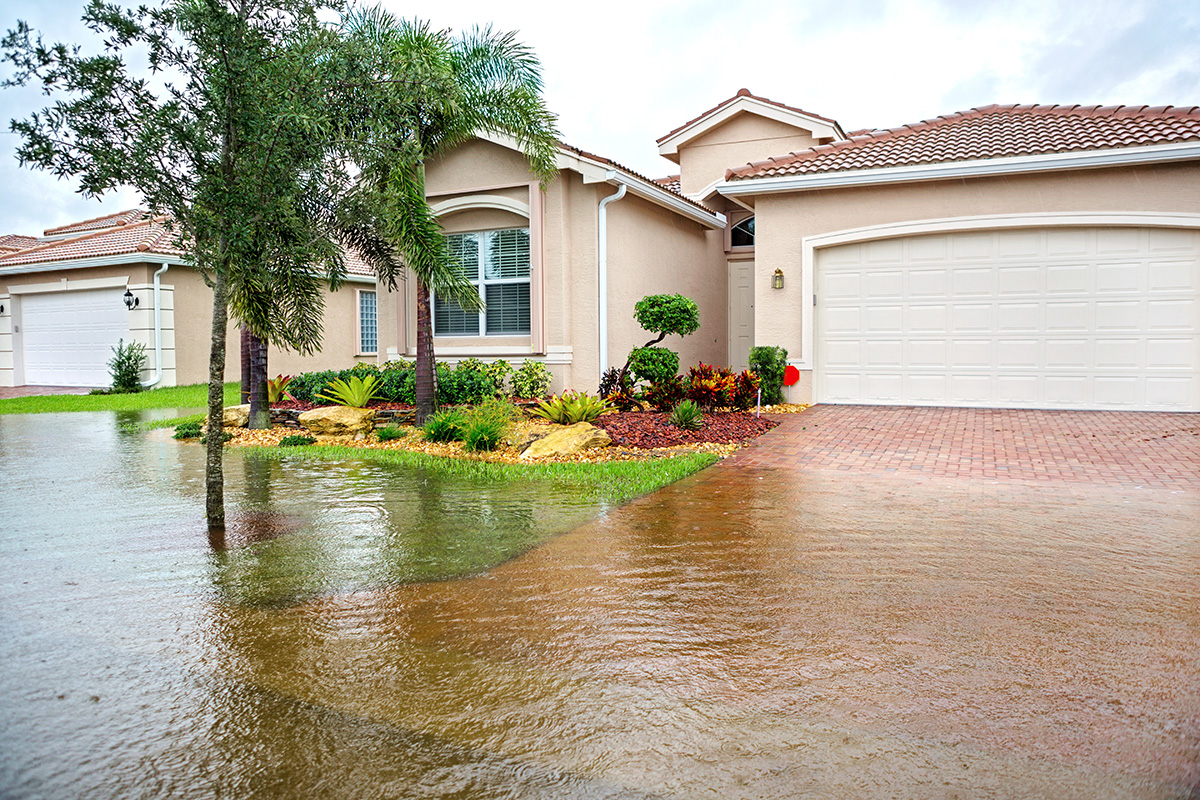
Prepare for a flood
A few steps now can make a big difference when flooding threatens.
Know your risk
Look up your address using a flood-risk mapping tool, such as FEMA’s Flood Map Service Center, to see whether your home is in or near a flood-prone area. Keep in mind flooding frequently occurs outside designated flood zones.
Review your insurance
Standard homeowners insurance generally doesn’t cover flooding, so talk with your insurance agent about flood coverage. Flood coverage takes 30 days before it goes into effect, so don’t wait.
Make an emergency plan
Know where you’ll go, how you’ll get there, and how you’ll stay in contact. Include pets.
Build an emergency kit
Keep water, food, medications, first aid supplies, flashlights, batteries, and other essentials ready.
Know your utilities
Learn how to safely shut off electricity, gas, and water.
Protect valuables
Keep important documents, electronics, and valuables in a safe place above potential flood levels.
Take action
When flooding threatens, put safety first.
Get to higher ground. Evacuate if instructed by local authorities, and follow their instructions on routes and timing.
Never drive through floodwater. As little as 12 inches of moving water can sweep most vehicles off the road.
Avoid walking through moving water. Six inches can knock an adult off their feet.
Unplug and shut off utilities if there’s time. Turn off electricity, gas, and water as appropriate before you leave.
Move valuables to higher ground. If its safe and there’s time to do so, relocate important documents, medication, and irreplaceable items to a second floor or high shelf.
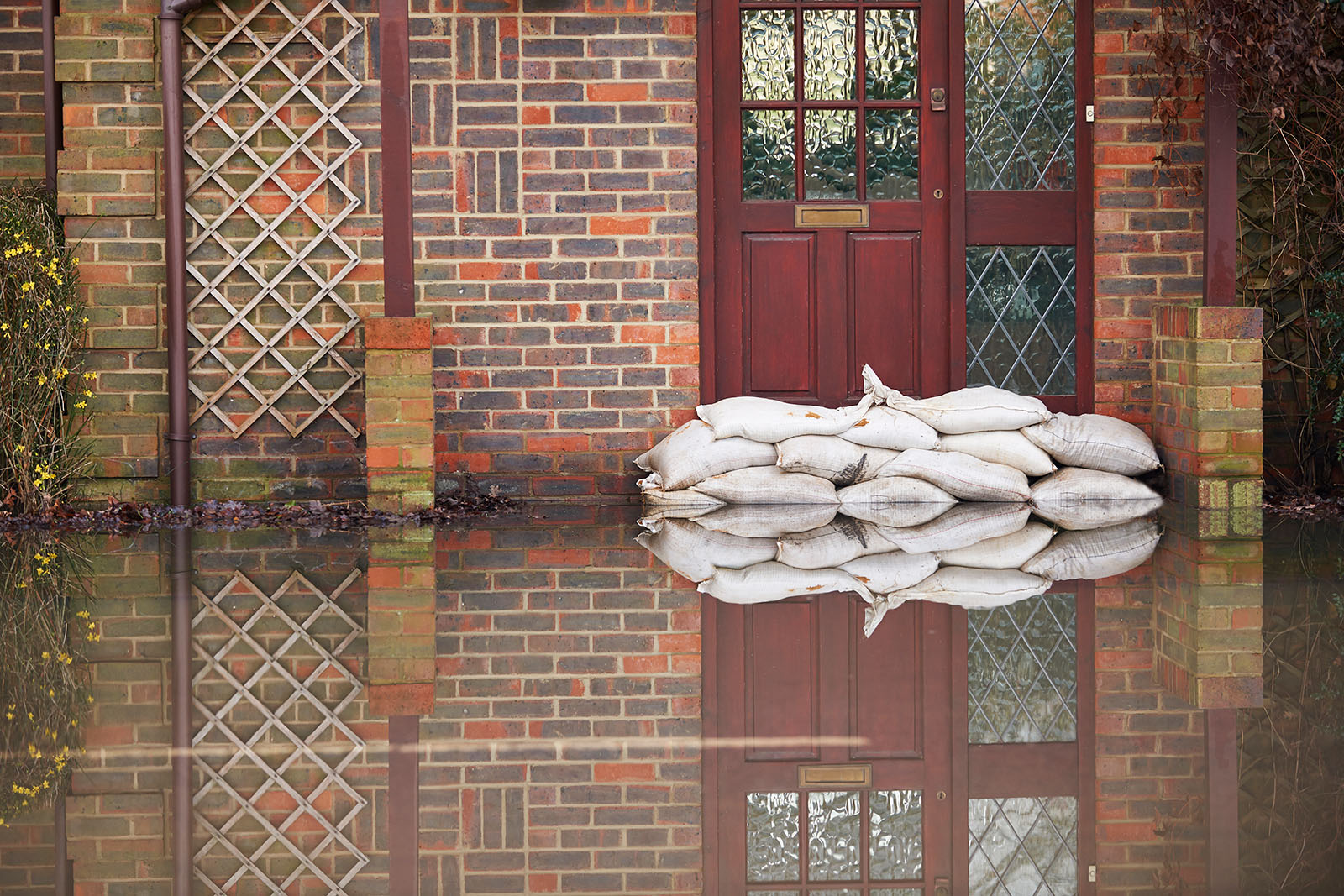

Recover after a flood
Wait until authorities say it’s safe to return home.
Contact your flood insurer as soon as possible to report damage and file a flood-related claim.
Document damage with photos or video before cleaning up.
Prevent further damage when it’s safe to do so, but check with your flood insurer before making permanent repairs.
Save receipts for repairs and other flood-related expenses.
Be cautious about starting a vehicle that has been exposed to flood waters.
Know your coverage
Talk with your insurance agent to understand your coverage and deductibles before a flood happens. Flood coverage typically takes 30 days before it goes into effect, so don’t delay.
Home
Standard homeowners insurance generally doesn’t cover flood damage. A separate flood insurance policy is typically needed.
Auto
If you carry comprehensive auto coverage, flood damage to your vehicle is typically covered. Confirm the details with your insurer, since coverage can vary by policy and state.

Frequently asked questions
Does homeowners insurance cover flooding?
Generally, no. Standard homeowners insurance doesn’t cover flood damage. Separate flood insurance is typically needed.
Do I need flood insurance if I don't live in a high-risk flood zone?
Possibly. A large share of flood claims come from outside designated high-risk zones. Talk with your insurance agent about your property’s risk and whether flood insurance makes sense for you.
Does auto insurance cover flood damage?
Flood damage to a vehicle is typically covered under an auto policy if you have purchased comprehensive physical damage coverage. Coverage varies by policy and state.
What should I do first after a flood?
Wait for authorities to confirm its safe to return and contact your flood insurer to file a claim. If you are evacuated, you do not need to wait until you return home before you file a claim. Once you can safely return home, document the damage with photos and videos but avoid discarding any damaged items until an adjuster can visit.
Can I drive through floodwater?
Never drive through floodwaters. As little as 12 inches of moving water can sweep most vehicles off the road, even large ones. Additionally, salt water is very corrosive and can lead to fire risks for vehicles impacted by coastal surge/flooding.