
Be ready when the ground shakes
Safety tips and resources to help protect your home, family, and finances from earthquakes.
The real risks of earthquakes
Earthquakes can happen with little or no warning and aren’t limited to California. Earthquake risk exists in many parts of the country.
Taking steps to strengthen your home, prepare your family, and understand your insurance can help reduce the physical and financial impact of an earthquake.
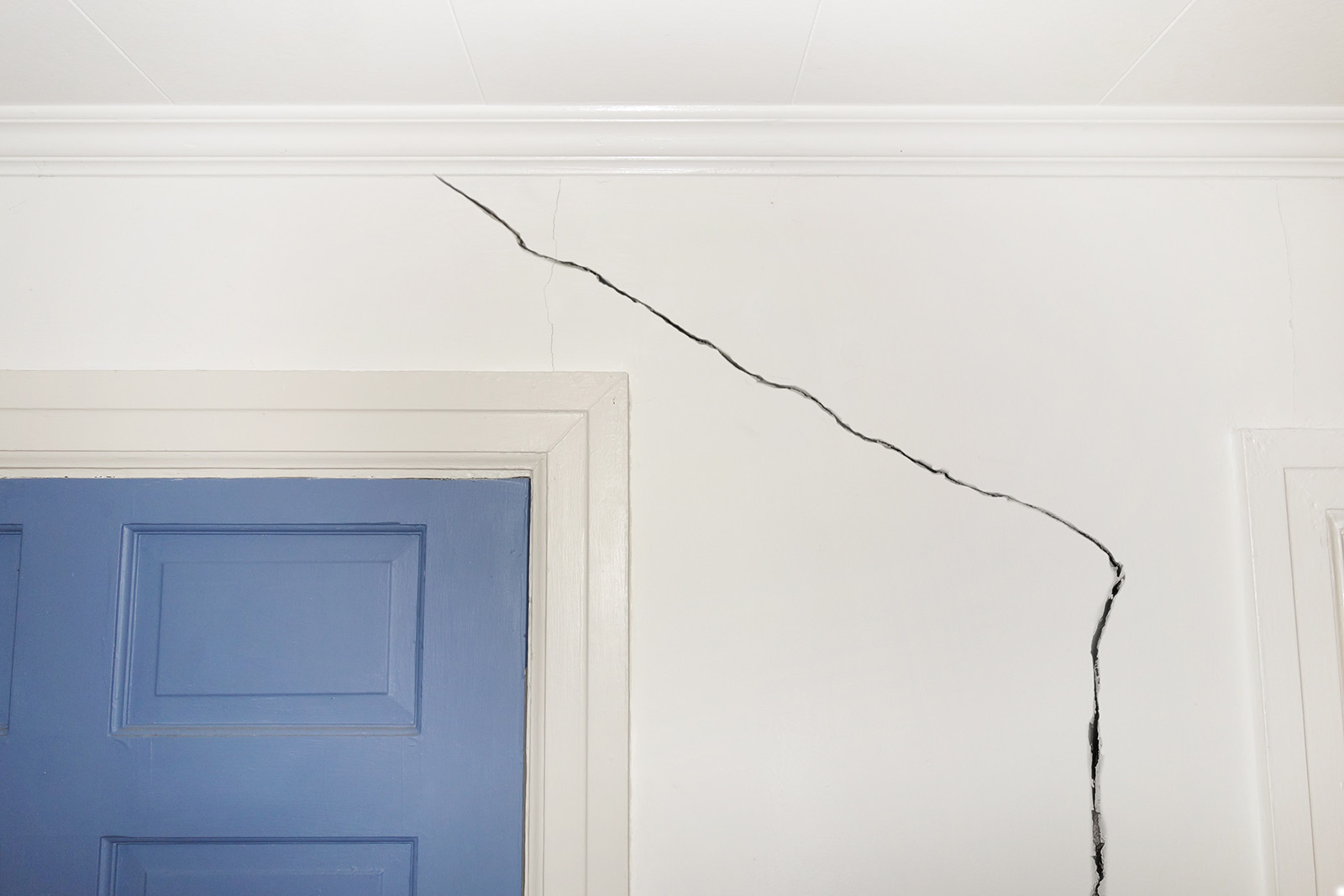
Prepare for an earthquake
A few precautions can help protect your family and reduce damage to your home.
Strengthen your home
Depending on your home’s construction, seismic retrofits such as bracing cripple walls and bolting the house to its foundation can help reduce earthquake damage.
Secure your water heater
Properly strap the water heater to help prevent it from detaching from gas and water lines.
Secure potential hazards
Anchor heavy furniture and other moveable items that could fall or shift during an earthquake.
Create a home inventory
Take photos or video of your home and belongings and keep a record of valuable items.
Make an emergency plan
Choose a meeting place, decide how you’ll communicate, and make sure everyone knows what to do when an earthquake strikes.
Practice your plan
Hold regular drills and practice “drop, cover, and hold on.”
Review your insurance
Earthquake damage is not covered by a standard homeowners insurance policy. Consider your property’s earthquake risk and whether earthquake insurance makes sense for you.
Take action
When an earthquake strikes, act quickly to protect yourself.
Drop, cover and hold on
Drop to your hands and knees, take cover under a sturdy table or desk if possible, and hold on until the shaking stops.
Stay away from windows and falling objects
Protect your head and neck from glass and debris.
If you're outside, stay outside
Move away from buildings, trees, streetlights, and utility lines.
Expect aftershocks
Be prepared to drop, cover, and hold on again if shaking resumes.
Recover after an earthquake
Check yourself and others for injuries before assessing your property.
Check for damage and leave the building if you believe it may be unsafe.
Watch for hazards such as damaged gas or electrical lines, and don’t attempt repairs yourself.
Contact your insurance company as soon as possible to report damage and understand next steps.
Document damage with photos or video before cleaning up or making repairs.
Prevent further damage when it’s safe to do so, but check with your insurer before making permanent repairs.
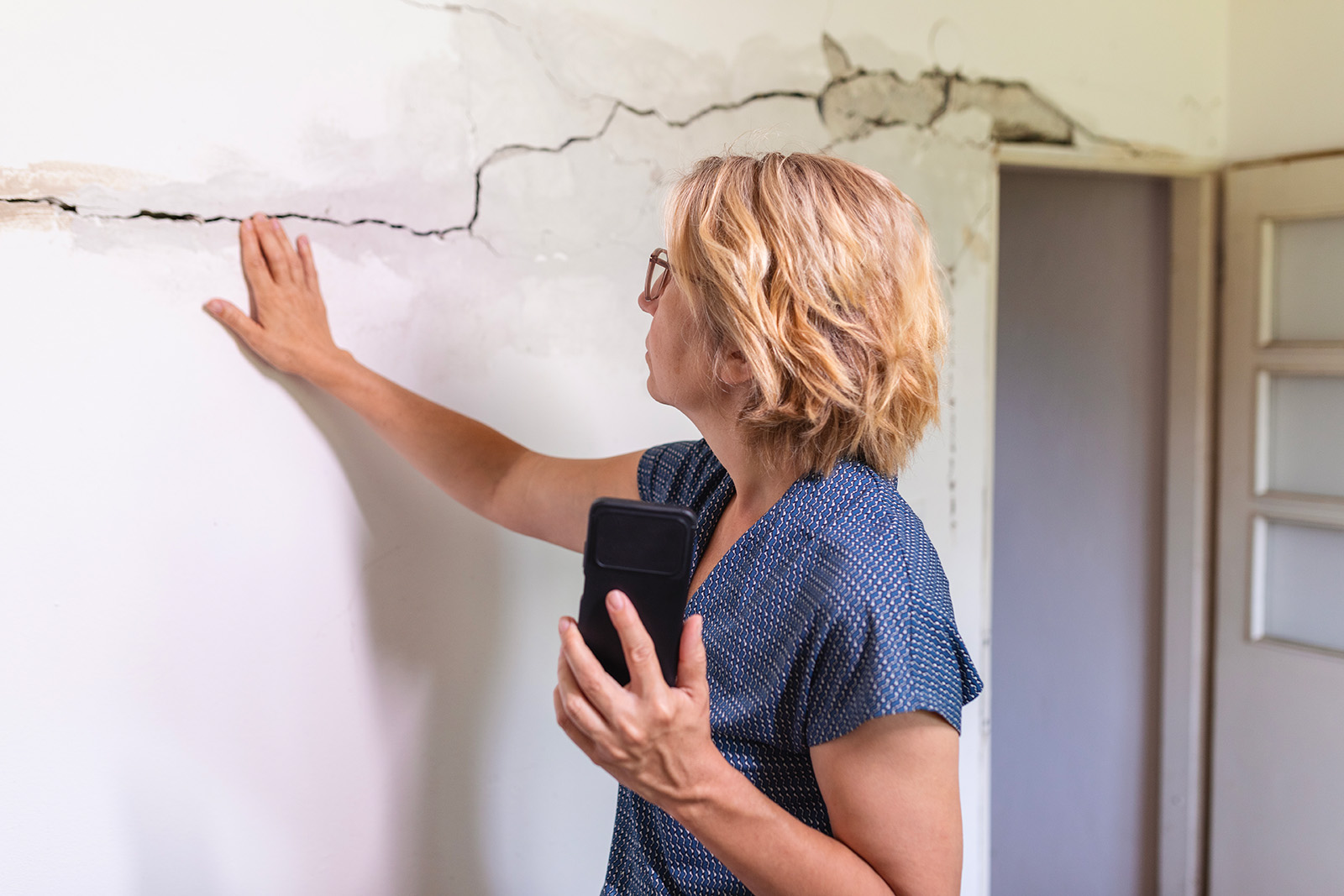

Know your coverage
Standard homeowners insurance generally doesn’t cover damage caused by earthquakes. Separate earthquake insurance or an earthquake endorsement may be needed.
When considering earthquake insurance, think about the value of your home and belongings, how earthquake-resistant the structure is, what it could cost to rebuild, and the policy’s coverage limits, exclusions, and deductible.
Talk with your insurance agent to understand your earthquake risk, coverage options, and how your deductible would apply.
Find more helpful information in our resources:
Insurance Tips
Understand what to consider when purchasing earthquake insurance, from evaluating your property’s risk and rebuilding costs to reviewing coverage limits and deductibles.
Preparedness Guide
Take steps to protect your home and family before an earthquake with practical tips for strengthening your property, securing potential hazards, and creating an emergency plan.
Frequently asked questions
Does homeowners insurance cover earthquake damage?
Generally, no. Standard homeowners insurance doesn’t cover damage caused by earthquakes. Separate earthquake insurance or an earthquake endorsement may be needed.
Do I need earthquake insurance if I don't live in California?
Earthquake risk isn’t limited to California. Consider the earthquake risk where you live, your home’s construction and what it could cost to repair or rebuild when deciding whether coverage makes sense for you. Check the USGS earthquake hazard information to learn more about earthquake risk in your state.
What should I do during an earthquake?
Drop, cover and hold on. Get under a sturdy table or desk if possible, protect your head and neck, and stay there until the shaking stops.
What should I do after an earthquake?
Check for injuries and hazards first. If it’s safe, document property damage and contact your insurance company as soon as possible.
What should I consider when buying earthquake insurance?
Consider the value of your home and belongings, your home’s earthquake resistance, rebuilding costs, coverage limits, exclusions, and how the deductible works.