Help safeguard your home from winter storms
Safety tips and resources to protect your home and vehicle this winter.
Develop a plan for winter storms
Winter storms can bring more than snow. Freezing temperatures, ice, and high winds can lead to frozen pipes, falling trees, ice dams, power outages, and even roof or deck collapse. Taking a few steps before temperatures drop can help protect your home and make it easier to weather the storm.
Protect your pipes
Insulate pipes in vulnerable areas such as garages, attics, basements, crawl spaces, and under kitchen and bathroom sinks. Pay particular attention to pipes along exterior walls and those leading outside.
Know how to shut off your water
Find your home’s main water shut-off valve and make sure it’s easy to reach. If a pipe bursts, shutting off the water quickly can help limit the damage.
Check your heating system
Have your furnace, boiler, chimney, or other heating system serviced before winter and make sure your smoke and carbon monoxide detectors are working properly.
Protect from water damage
Clear leaves and debris from gutters and downspouts so melting snow and rain can drain properly. Check your roof for damaged or missing shingles that could allow water inside. Check your attic for thin or uneven insulation to help prevent ice dams.
Trim trees and remove dead branches
Snow, ice, and wind can cause weak branches to fall onto your house, car, or power lines.
Seal up drafts
Caulk cracks and add weather stripping around windows and doors to help keep cold air and moisture out and warm air in.
Have supplies ready
Keep flashlights, batteries, a portable radio, medications, first-aid supplies, and at least three days of water and nonperishable food for your family and pets.

Know your
insurance coverage
Winter damage is often covered, but prevention still matters. Homeowners insurance typically covers damage from winter weather, including burst pipes and ice dams. However, you’re generally expected to take reasonable steps to protect your home, such as keeping it heated and maintaining your pipes and drains. Check your policy or talk with your insurer or agent about your coverage.
Take action during a storm
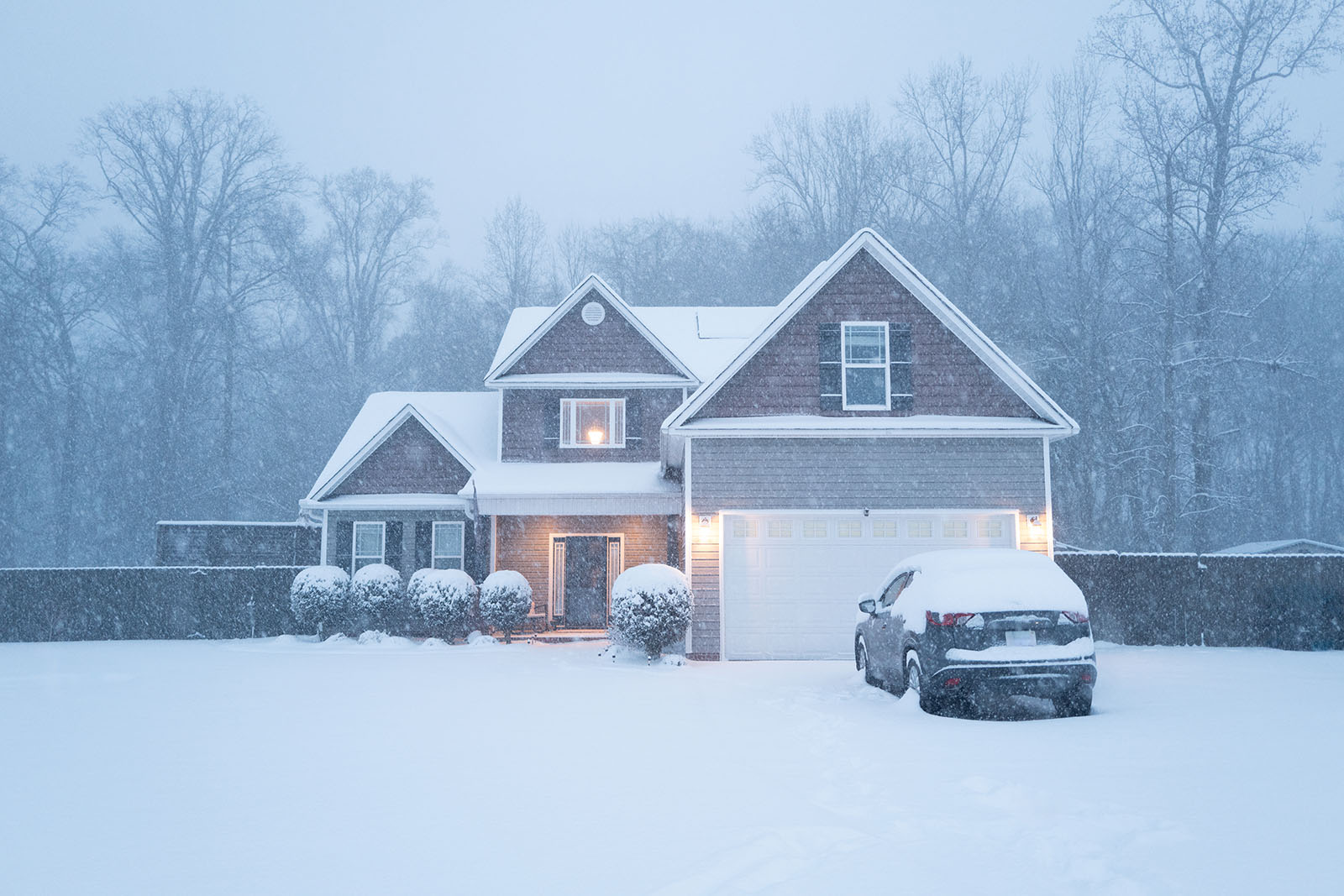
When temperatures plunge or a winter storm arrives, staying warm and preventing water damage are priorities. Avoid unnecessary travel, keep an eye on vulnerable areas of your home and be prepared to act quickly if something goes wrong.
Keep your home warm. Maintain heat throughout your home, including when you’re away. During extreme cold, open cabinet doors under sinks along exterior walls so warm air can circulate around the pipes.
Help keep pipes from freezing. If temperatures are expected to remain below freezing, allowing faucets to slowly trickle can help keep water moving through vulnerable pipes.
Watch for signs of a frozen pipe. If you turn on a faucet and little or no water comes out, the pipe may be frozen. Know where your water shut-off is in case the pipe bursts.
Use supplemental heat safely. Keep anything that can burn at least three feet away from heating equipment. Nearly half of home heating fires occur during December, January, and February.
Stay away from downed power lines. Report downed lines and outages to your utility company and keep a safe distance.
Avoid driving when you can. Snow and ice can make even familiar roads dangerous. If you must drive, slow down, leave extra stopping distance, and don’t use cruise control on slippery surfaces.
Keep an emergency kit in your car. Include blankets, jumper cables, a shovel, ice scraper, abrasive material (sand/kitty litter), flashlight, blanket, warning devices, and other emergency supplies. Keep your tires properly inflated and try to maintain at least half a tank of gas during severe winter weather.
Recover more easily after the storm passes
Once the storm has passed, check your home carefully for damage from ice, snow, wind, and freezing temperatures. Some problems, especially water damage from frozen pipes or ice dams, may not be immediately obvious. Your insurer can help you understand what’s covered and what to do next.
Put safety first
Stay away from downed power lines and damaged trees, and don’t enter areas of your home that may be structurally unsafe. Heavy ice and snow can put enough stress on a roof or deck to cause a collapse.
Call your insurer
If you have damage, contact your insurance company or agent as soon as possible. They can explain your coverage, help you understand your deductible, and guide you through the claims and repair process.
Document the damage
Take photos or videos of the damage to your home, car, and belongings before cleanup or repairs begin.
Prevent additional damage
Take reasonable steps to keep the problem from getting worse if you can do so safely. If a pipe bursts, for example, shut off the main water supply. Talk with your insurer about temporary repairs and keep receipts for any expenses.
Be cautious when hiring contractors
Be wary of contractors who show up after a storm and pressure you to sign a contract immediately. Talk with your insurer before signing any contracts to make sure the damage is covered, and verify the contractor is licensed and insured.
Find more helpful information in our resources:
Tips for Homeowners
Protect your home from winter storm damage with practical tips for preventing frozen pipes, understanding insurance coverage, and navigating the claims process.
Tips for Drivers
Get ready for hazardous winter driving conditions with tips for preparing your vehicle, staying safe on icy roads, and reviewing your auto insurance coverage.
Common Hazards
From frozen pipes and falling trees to heating fires and icy roads, discover common property damage hazards and simple steps to reduce your risk.