Stop water damage before it starts
Simple steps to help protect your home from appliance leaks and plumbing failures.
Small leaks can cause big problems
A leaking supply line, failed appliance connection, or plumbing problem can release water where you may not notice it right away. Left unchecked, even a small leak can damage floors, walls, cabinets, and belongings and create conditions for mold growth.
A little prevention and early detection can help you catch problems before they become costly repairs.
Help prevent interior water damage
Install leak detection sensors
Place water sensors near washing machines, water heaters, dishwashers, refrigerators, and other areas where leaks are more likely to occur. There are also devices that attach directly to your water meter and alert you to possible leaks.
Consider an automatic water shutoff device
Some systems can detect unusual water flow or a leak and automatically shut off your home’s water supply.
Inspect appliance hoses & connections
Regularly check washing machines, dishwashers, refrigerators, and other water-connected appliances for cracks, bulges, corrosion, or loose connections.
Check under sinks and around fixtures
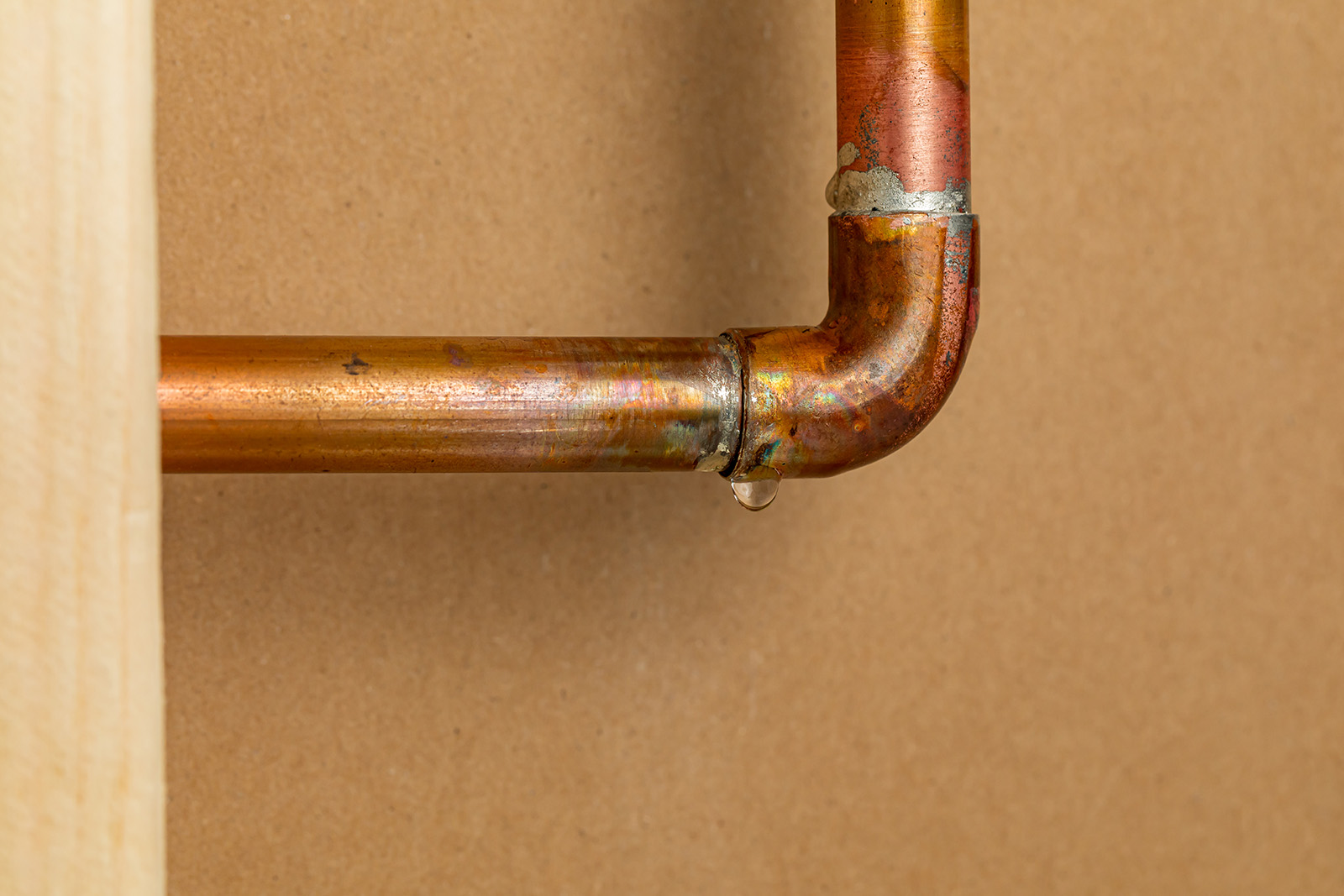
Look for dripping pipes, water stains, dampness, or other signs of a slow leak.
Know where your main water shutoff is
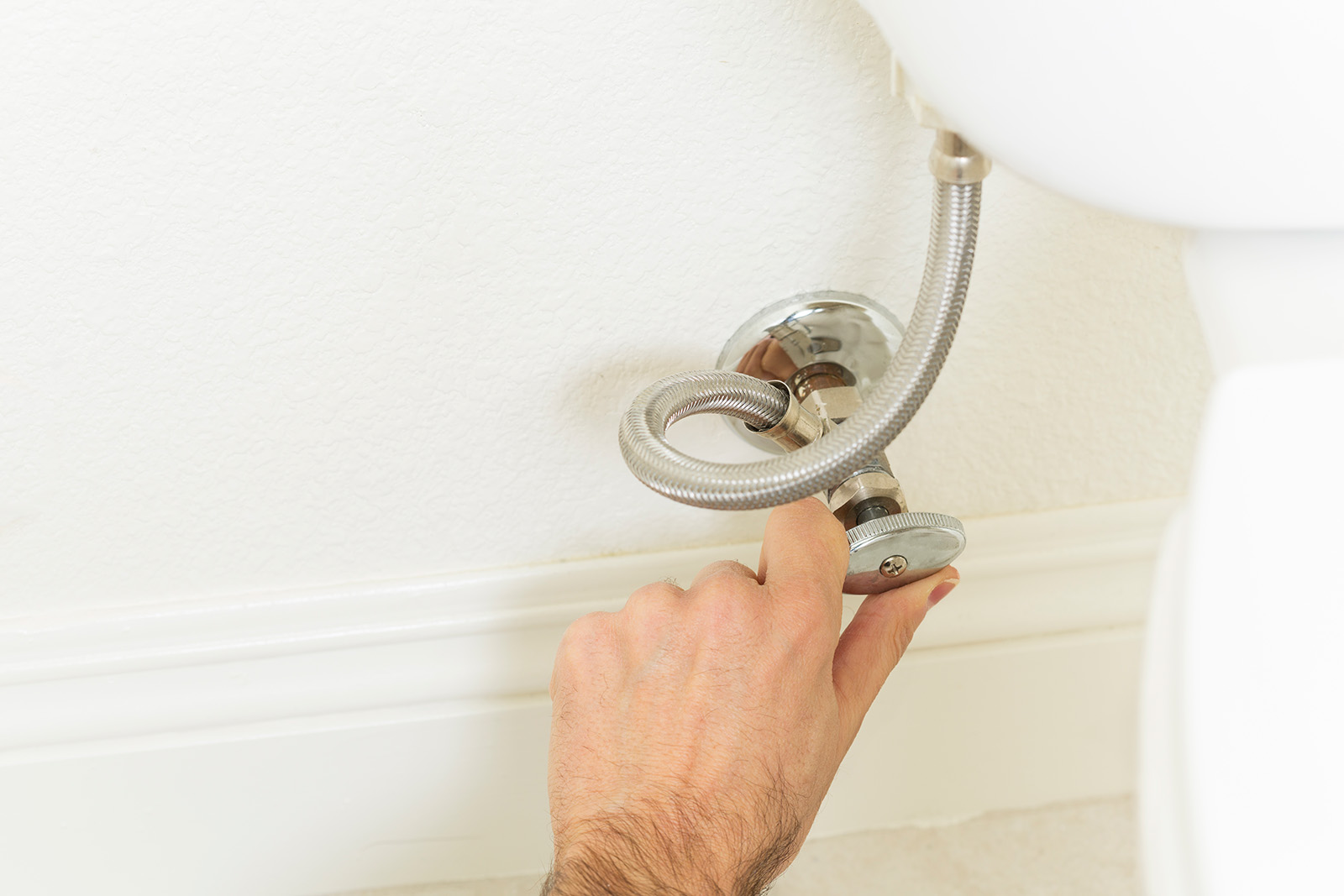
Make sure everyone in your household knows how to shut off the water quickly if a pipe or appliance fails.
Fix leaks promptly
Don’t ignore a dripping pipe, water stain, or unexplained moisture. Small problems can lead to much bigger damage if they’re left unaddressed.
If you discover a leak
Stop the water. Shut off the affected fixture, appliance, or main water supply if you can do so safely.
Watch for electrical hazards. Avoid standing water near electrical outlets, appliances, or wiring.
Document the damage. Take photos or videos before beginning cleanup or repairs.
Contact your insurance company if there is damage to your home or belongings.
Dry affected areas quickly. Removing water and moisture as soon as possible can help limit additional damage and mold growth.
Frequently asked questions
Where should I install water leak sensors?
Place sensors where leaks are most likely to occur, such as near washing machines, water heaters, dishwashers, refrigerators, sinks, and other water-connected appliances. There are also devices that attach directly to your water meter and alert you to possible leaks.
What should I do if I discover a water leak?
If it’s safe, stop the source of the water or shut off your home’s main water supply. Document any damage, begin drying affected areas, and contact your insurance company if needed.
Does homeowners insurance cover interior water damage?
Homeowners insurance typically covers sudden and accidental water damage from plumbing or appliance failures, subject to your policy’s terms, limits, and deductible. Damage from ongoing leaks, poor maintenance, or normal wear and tear may not be covered.