Help safeguard your home from tornadoes and high winds
Safety tips and resources to protect your home from high wind events.
Develop a plan for tornadoes & high winds
Tornadoes can strike with little to no warning, and damaging winds can accompany severe storms even when a tornado doesn’t form. Knowing where you’ll go, having emergency supplies ready, and understanding your insurance coverage can help you be better prepared.
Know your safest place
Choose a basement or an interior room without windows on the lowest floor, such as a bathroom, closet, or hallway. Make sure everyone in your household knows where to go.
The difference between a watch and a warning
A tornado watch means conditions are favorable for tornadoes to develop. A tornado warning means a tornado has been spotted or detected by radar and you should take shelter immediately.
Family emergency plan
Decide how family members will get to a safe place and how you’ll communicate if you aren’t together when severe weather strikes.
Prepare emergency supplies
Include a first-aid kit, flashlights, batteries, a battery-powered or hand-crank radio, portable phone chargers, water, and nonperishable food.
Create a home inventory
Take photos or videos of your belongings and keep the inventory somewhere you can access after a storm. It can make documenting losses and filing an insurance claim easier.
Review your insurance
Tornado and windstorm damage is generally covered by homeowners and renters insurance. Coverage and deductibles can vary, so talk with your insurer or agent about what your policy covers and whether you have a separate wind deductible.
Strengthen vulnerable areas of your home
Keep your roof in good condition, trim weak or damaged trees, and consider improvements such as a wind-rated garage door or stronger roofing system.
Know your coverage
Home and auto insurance work differently. Tornado and wind damage from severe storms to a home is generally covered by homeowners insurance though coverage can vary based on policy language and state. Damage to a vehicle may be covered if you have comprehensive auto coverage. Review your policies or talk with your insurer or agent to understand what is covered and whether separate wind coverage or deductibles may apply.

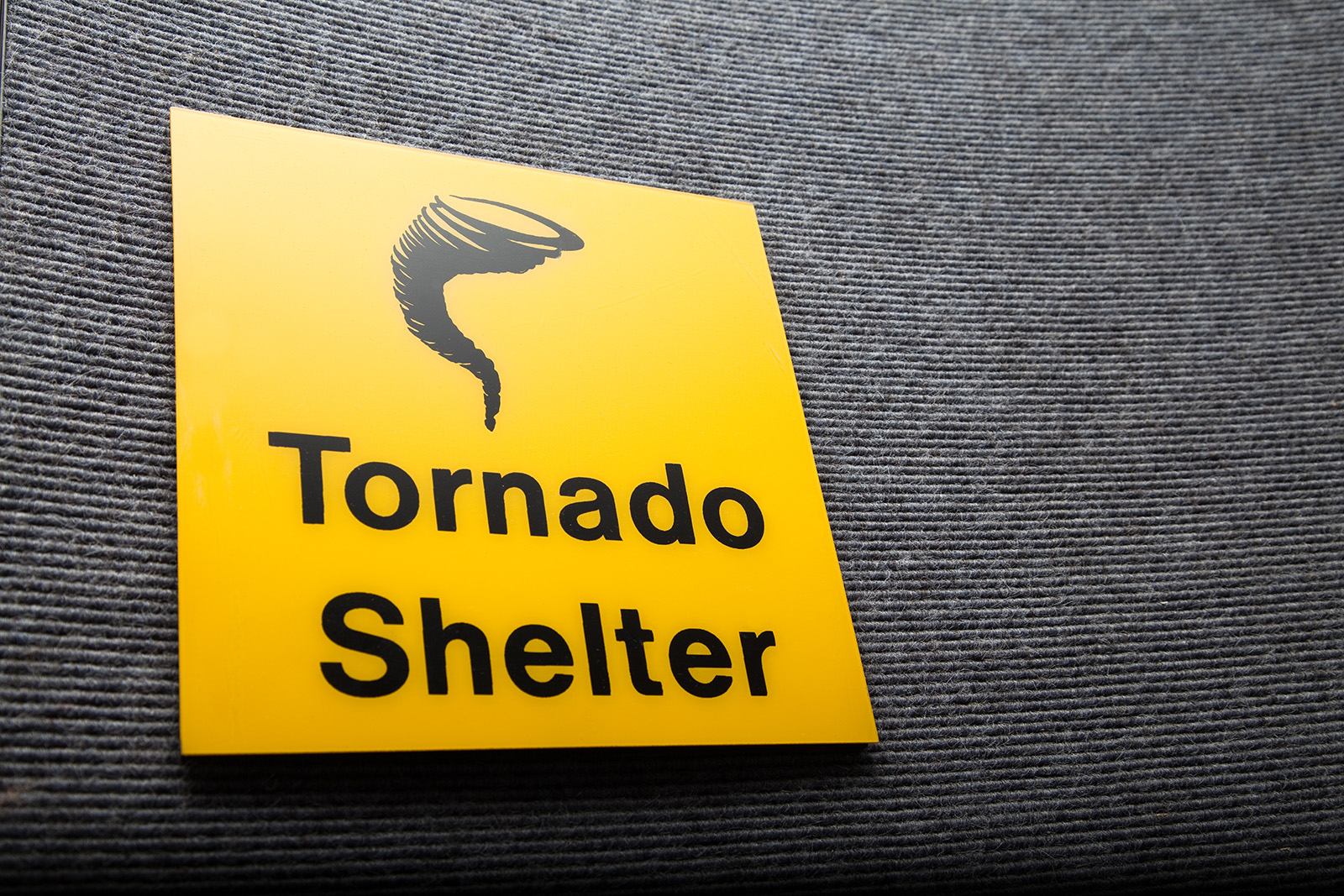
Take action during a storm
When a tornado warning is issued, don’t wait to see the storm. Get to a safe place and protect yourself from flying debris.
Get to your safest place. Go to a basement if you have one. Otherwise, move to a small interior room without windows on the lowest floor.
Protect your head and neck. Get under something sturdy if possible and use pillows, blankets, or cushions for additional protection.
Stay away from windows. Don’t open windows or go outside to watch the storm.
If you’re in a mobile home, seek shelter elsewhere. Go to a sturdy building or designated storm shelter rather than remaining in the home.
If you’re driving, don’t try to outrun a tornado. If it’s safe to do so, get to a sturdy building and shelter inside. Never seek shelter under an overpass.
If you can’t get to a sturdy building, protect yourself. Get as low as possible, cover your head and neck, and follow local emergency guidance.
Stay alert. Continue monitoring weather alerts and local authorities so you know when it’s safe to leave your shelter.
Make recovery easier after high wind events
After a tornado or severe windstorm, put safety first. Downed power lines, damaged buildings, broken glass, and debris can remain dangerous long after the storm has passed. Your insurer can be an important resource as you assess the damage and start putting things back together.
Listen to local authorities
If you are evacuated, don’t return until officials say it’s safe. Watch for downed power lines, gas leaks, unstable structures, and other hazards.
Call your insurer
If you have damage, contact your insurance company or agent as soon as possible. They can explain your coverage, help you understand your deductible, and guide you through the claims and repair process.
Document the damage
Take photos or videos of the damage to your home, car, and belongings before cleanup or repairs begin.
Prevent further damage
If it’s safe, make reasonable temporary repairs, such as covering broken windows or openings in the roof to keep out rain. Keep receipts for materials and expenses and discuss them with your insurer.
Don’t rush to throw things away
Your insurance company may need to see damaged property. If something must be removed for safety, photograph or video it first.
Temporary living expenses
If covered damage makes your home unsafe to live in, your homeowners policy may provide additional living expense coverage for increased costs such as temporary housing and meals.
Be cautious when hiring contractors
Be wary of contractors who show up after a storm and pressure you to sign a contract immediately. Talk with your insurer before signing any contracts to make sure the damage is covered, and verify the contractor is licensed and insured.
Explore rebuilding options
If major repairs are needed, ask your insurer about opportunities to rebuild stronger, such as a stronger roofing system or safe room, which can help make your home more resilient to future storms.
Find more helpful information in our resources:
Preparedness Guide
Be prepared before a tornado strikes with essential safety tips, information about insurance coverage, and guidance on what to do after a storm.
Recovery & Rebuilding
Navigate the recovery and rebuilding process after a tornado, from filing insurance claims and documenting damage to hiring contractors and avoiding scams.